Style Guides
Types of Dresses
A-Line Dress
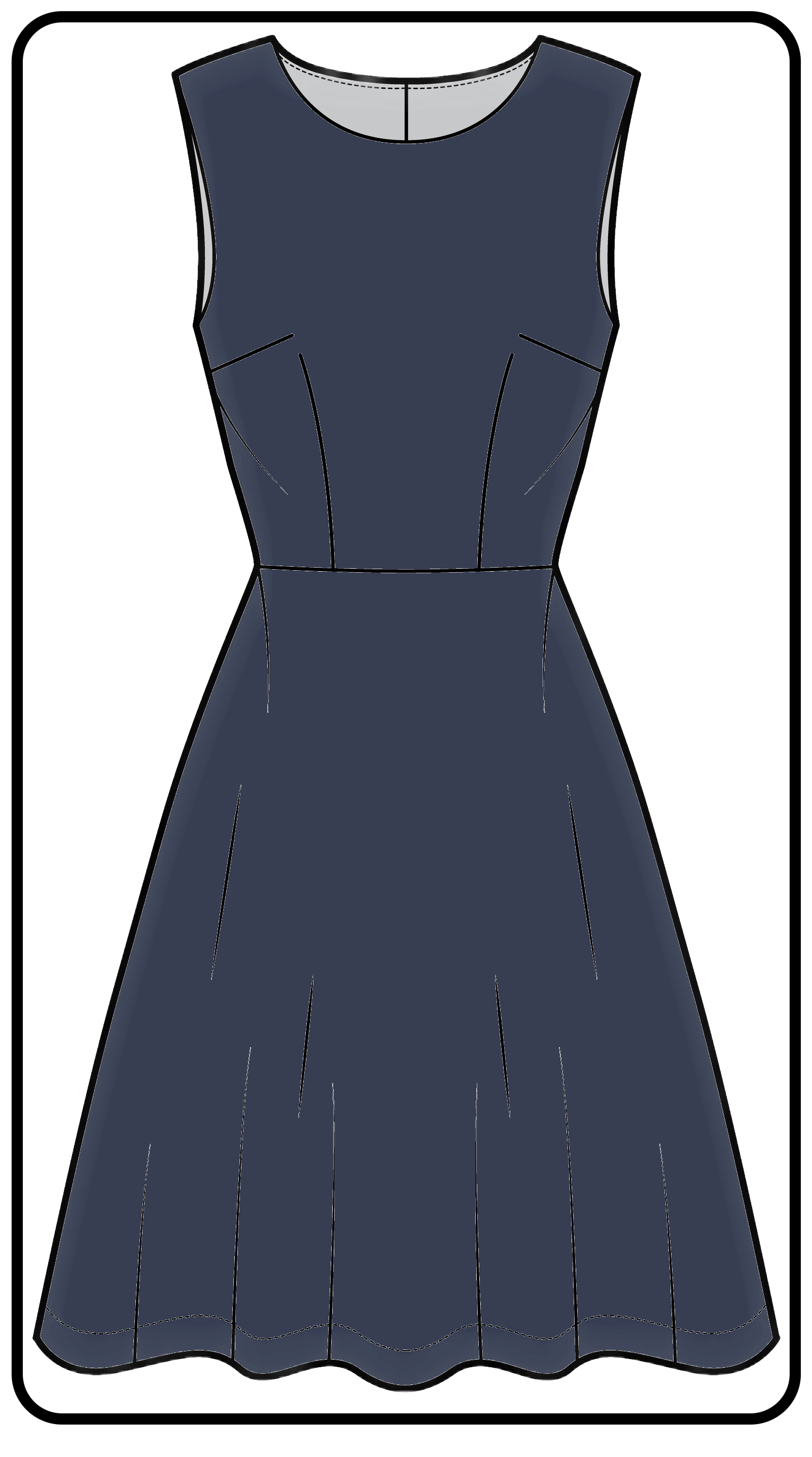
The A-line dress has a fitted bodice that skims the natural curves of the body, typically emphasizing the waistline. From the waist down, the dress flares out gradually, creating a gently flowing and flared skirt. The gradual flare creates an elegant and balanced silhouette that flatters many body types.
Drop Waist Dress
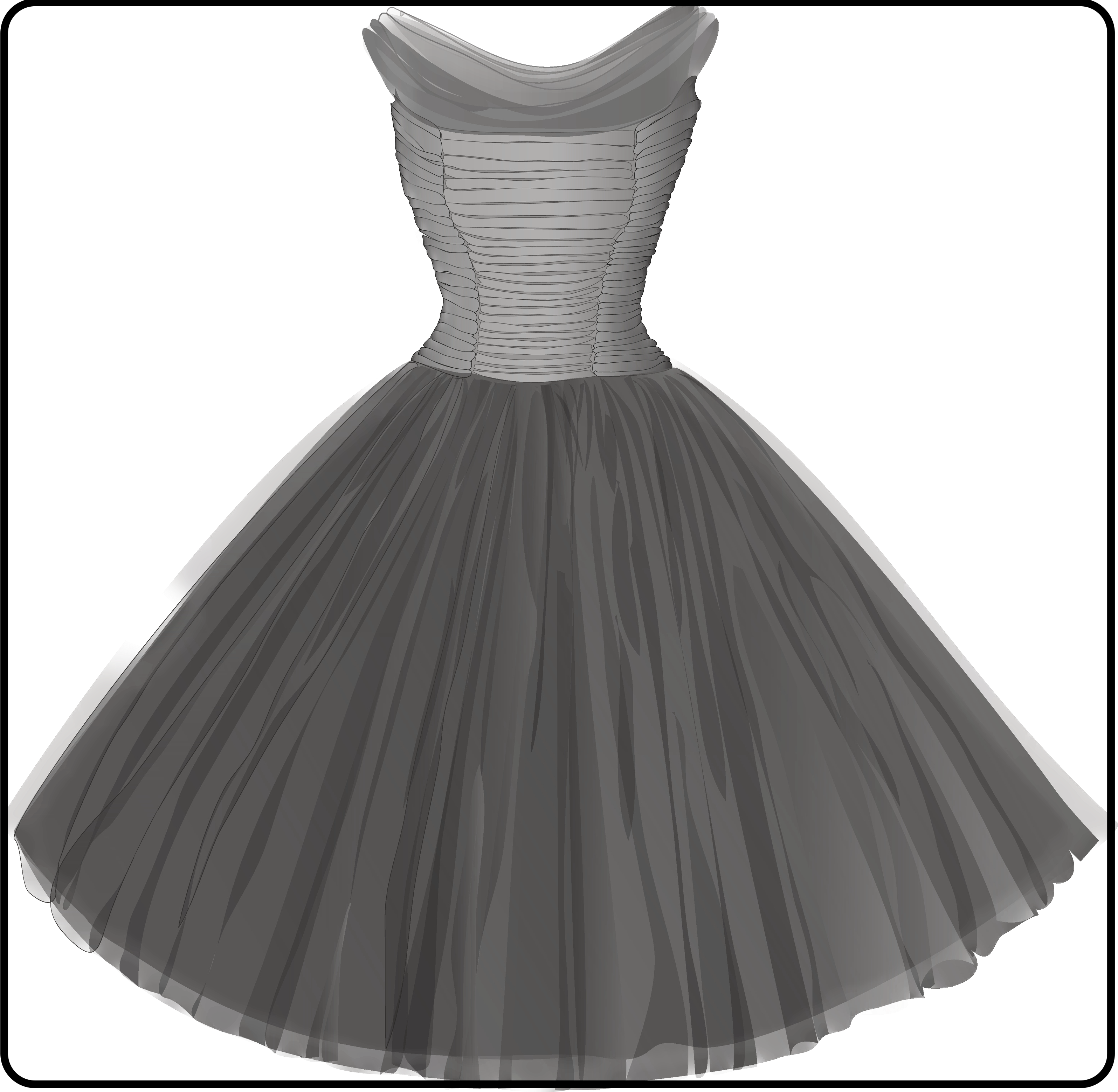
The defining feature of a drop waist dress is the placement of the waistline, which is lowered below the natural waist. It can be positioned at different points along the hips or upper thighs, depending on the specific design. This creates a lengthened torso and emphasizes the hips and lower body.
Empire Waist Dress
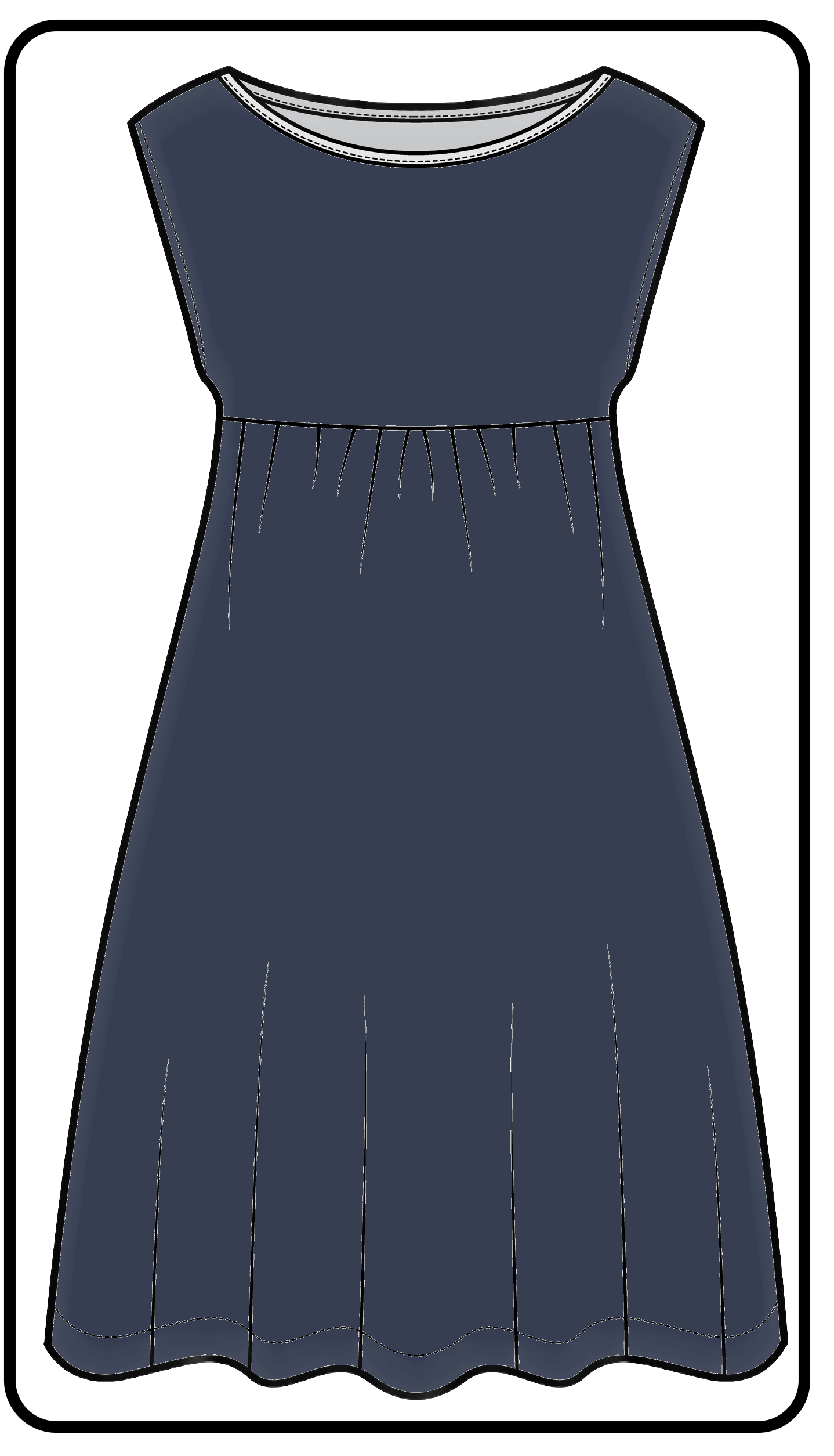
The defining feature of an empire waist dress is its raised waistline, which is positioned directly below the bust. This high waistline elongates the torso and gives the illusion of a longer, more slender figure.
Pinafore Dress
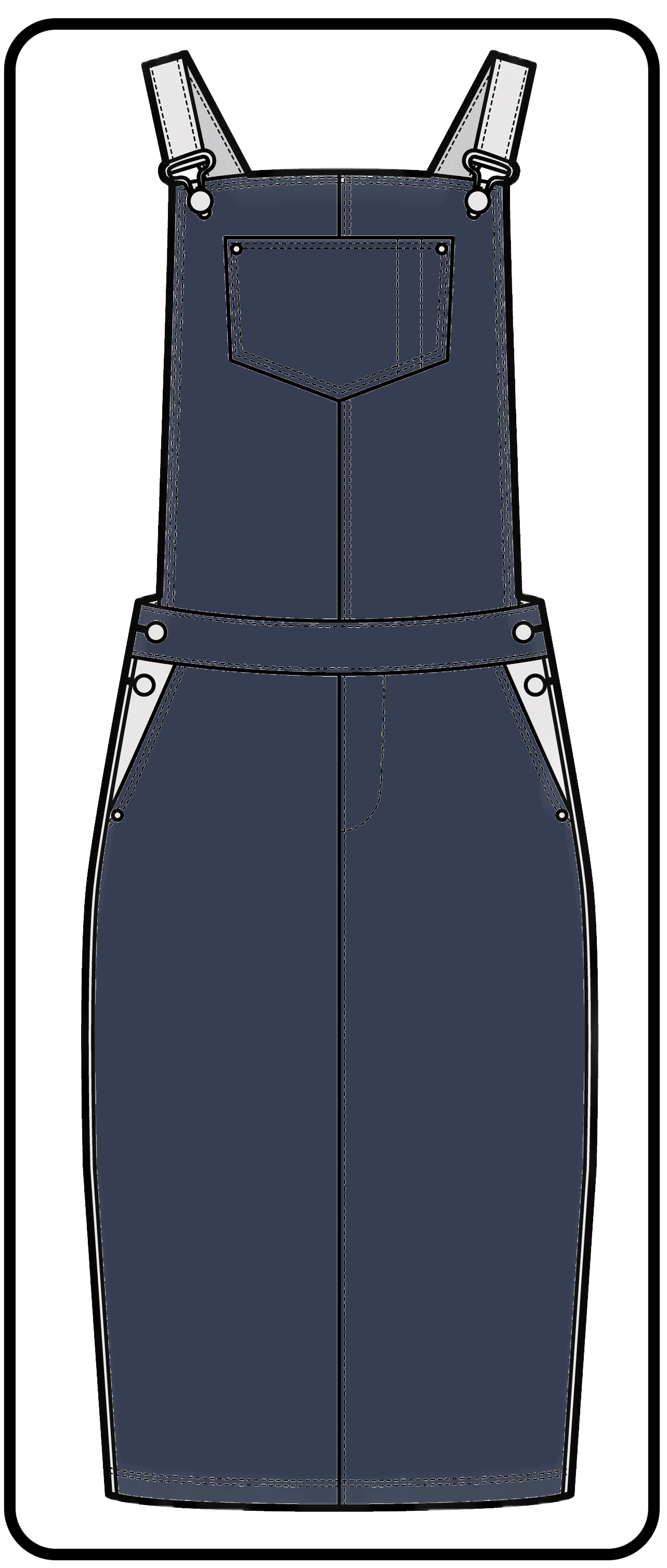
A pinafore dress is a versatile and charming style of dress that originated from the traditional pinafore aprons worn by children and maids in the 19th century. It is characterized by its sleeveless design, square neckline, and a bib-like bodice that extends over the chest. Pinafore dresses are often designed to be worn over a blouse or a top, creating a layered effect. This allows for different styling options, as the dress can be paired with various tops to change the overall look and style. Common choices include fitted tops, turtlenecks, or even casual t-shirts, depending on the desired level of formality and personal style.
Princess Seam Dress
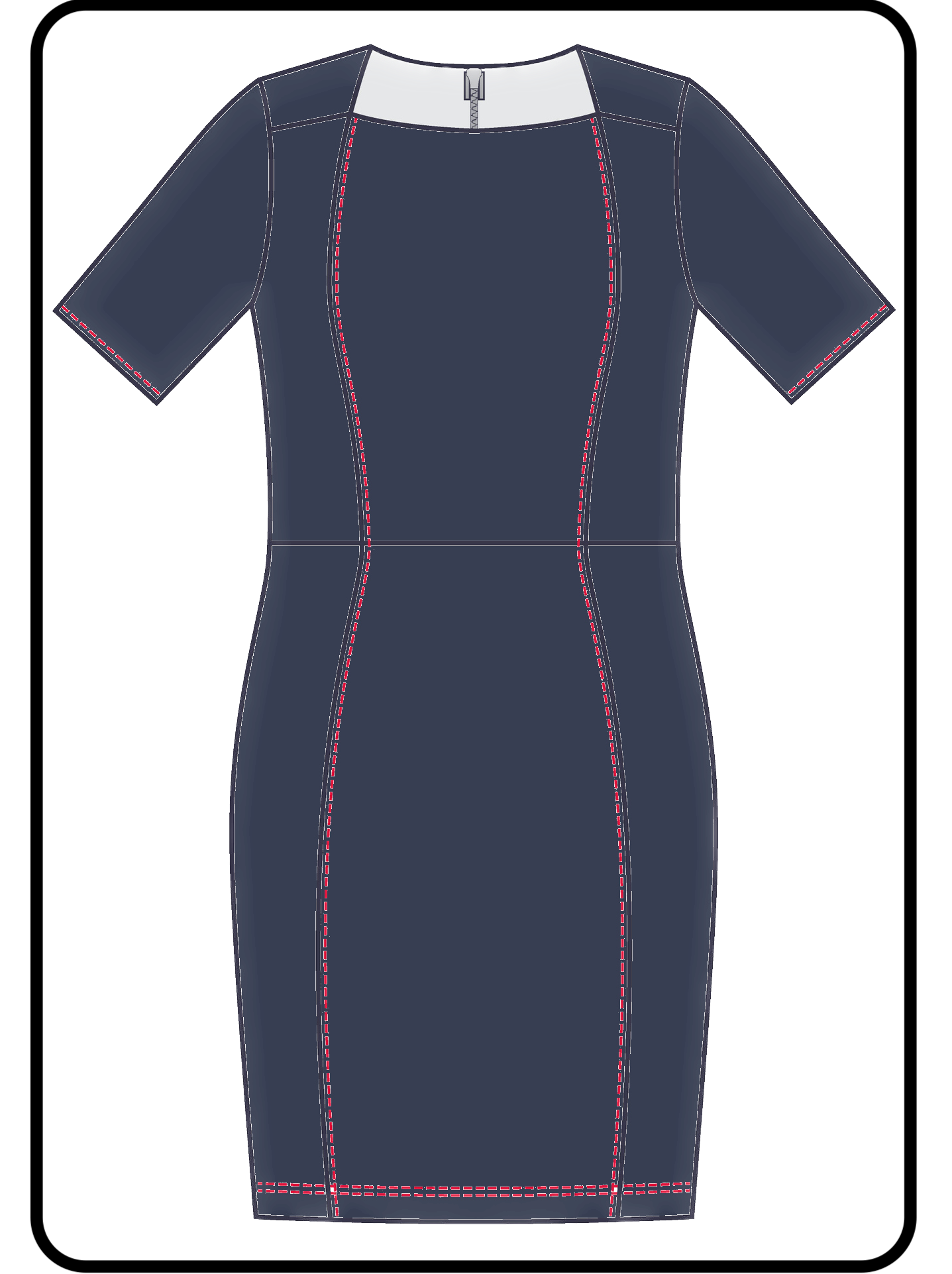
The defining feature of a princess seams dress is the placement of vertical seams that run down the right and left front of the dress. These seams typically follow the natural curves of the body, creating a streamlined and fitted silhouette.
Sheath Dress
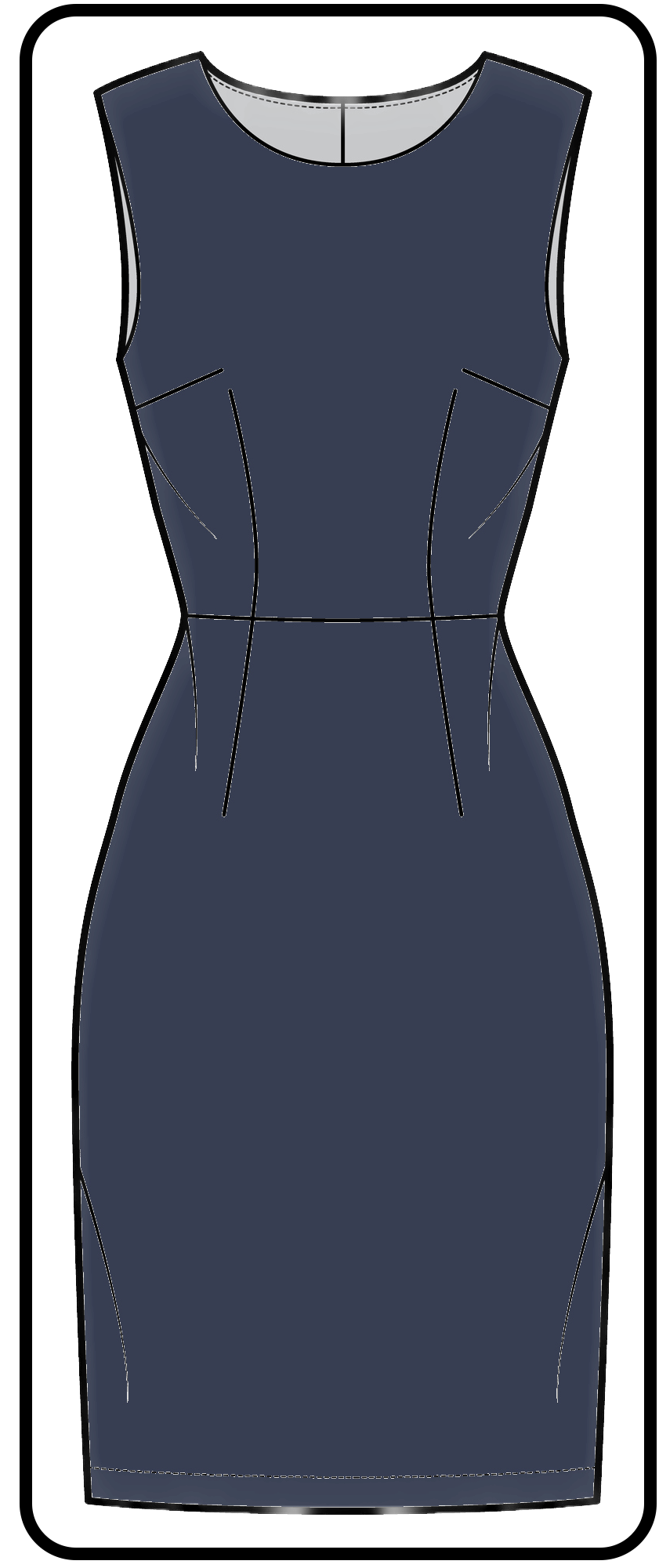
The sheath dress is designed to closely follow the contours of the body, creating a slim and streamlined silhouette. It is typically fitted from the neckline to the hemline, accentuating the curves of the wearer. Unlike the shift dress, the sheath dress is more structured and often includes darts and seams to enhance the fit.
Shift Dress
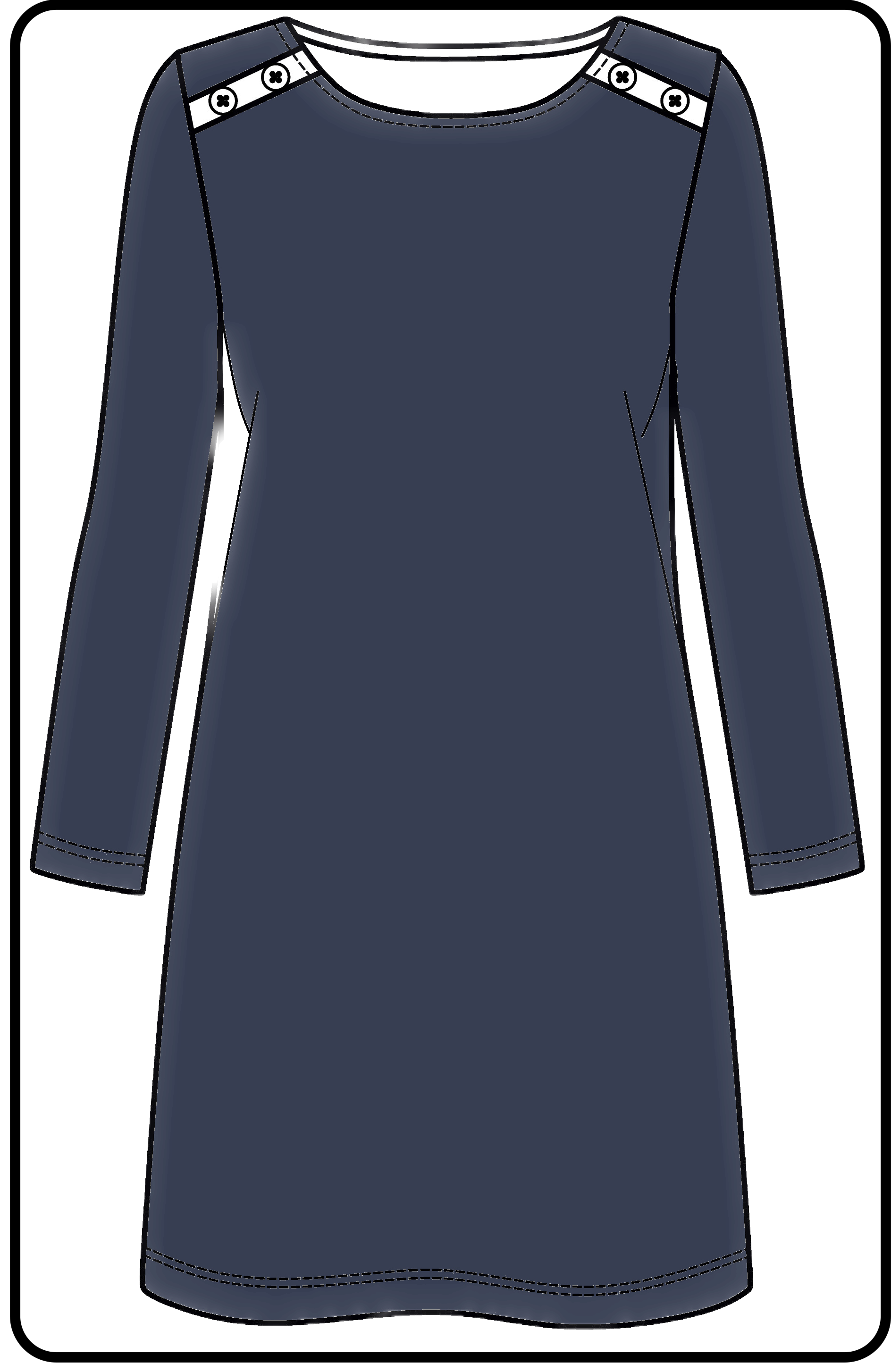
The shift dress is designed to have a loose and relaxed fit. It typically has a straight cut that falls loosely from the shoulders, skimming over the body without cinching at the waist or emphasizing curves. It is known for its minimal structure and lack of defined waistline, providing comfort and freedom of movement.
Shirt Dress
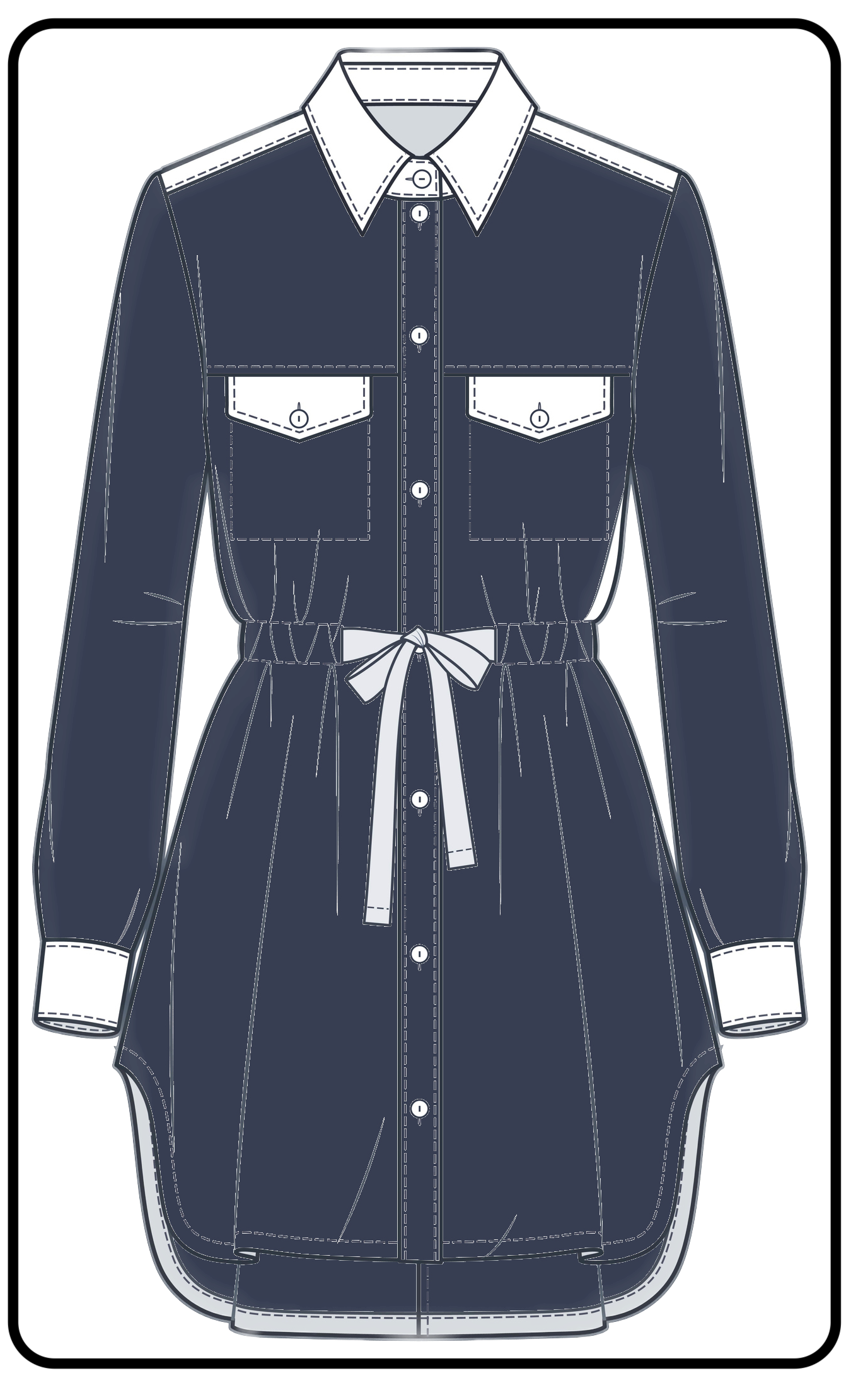
The defining feature of a shirt dress is its button-up front, which can extend from the collar to the hem or stop at a certain point, such as the waist or mid-thigh. A shirt dress typically features a loose and relaxed silhouette that is straight or slightly tailored. It is designed to be comfortable and easy to wear, often cinched at the waist with a belt to add definition and shape.
Slip Dress
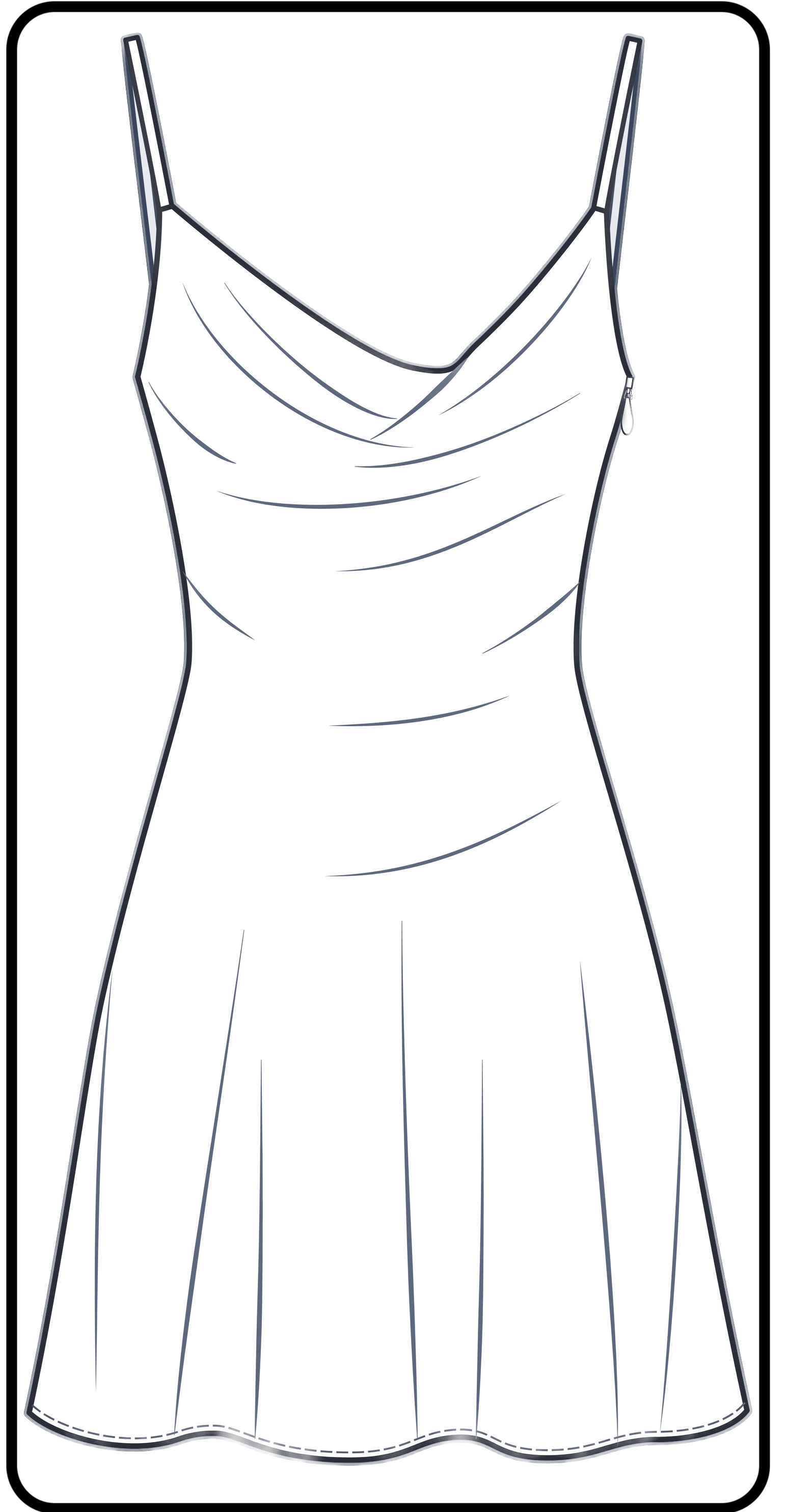
A slip dress is a sleek and minimalist style of dress that draws inspiration from undergarments called slips, which were traditionally worn underneath dresses to provide a smooth and lightweight layer. Slip dresses have gained popularity as standalone garments due to their simple yet alluring design. Slip dresses have a straight and slim silhouette that skims the body without being too tight. They are typically cut on the bias, which means the fabric is cut diagonally to provide a graceful drape and flattering fit. The dress flows effortlessly over the curves, creating a figure-skimming and subtly sensual look. Slip dresses usually feature thin spaghetti straps that delicately support the dress. These straps add to the minimalist aesthetic and highlight the shoulders and collarbones.
Sweater Dress
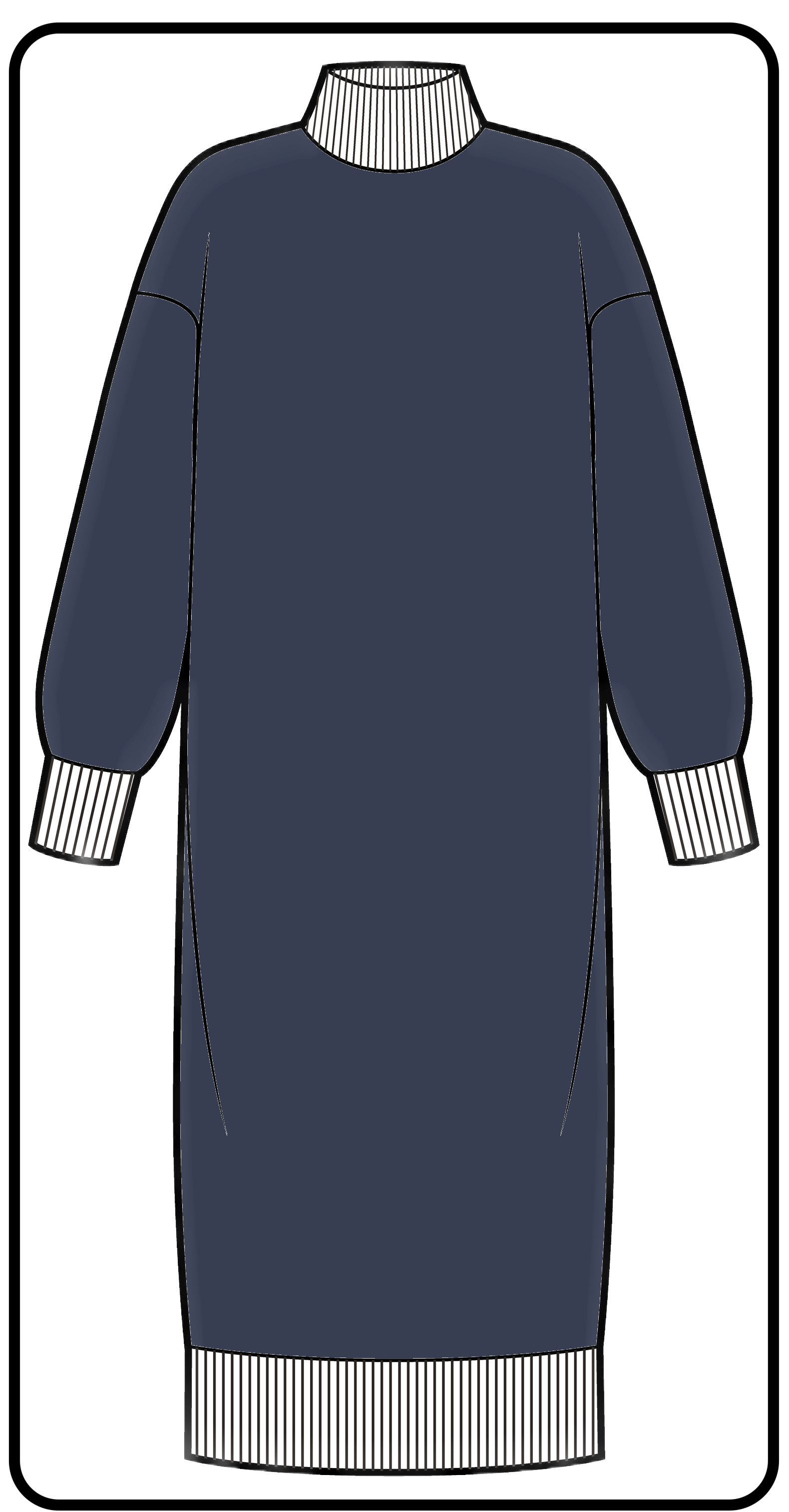
A sweater dress is a cozy and versatile garment that combines the comfort of a sweater with the style of a dress. It is typically made from knitted fabric, such as wool or a blend of wool and synthetic fibers, which provides warmth and softness. Sweater dresses can come in different silhouettes to suit various body types and style preferences. They can be form-fitting, skimming the body's curves, or more relaxed and loose-fitting, providing a cozy and comfortable feel. The length of the dress can vary, ranging from above the knee to midi or even maxi length.
Tent Dress
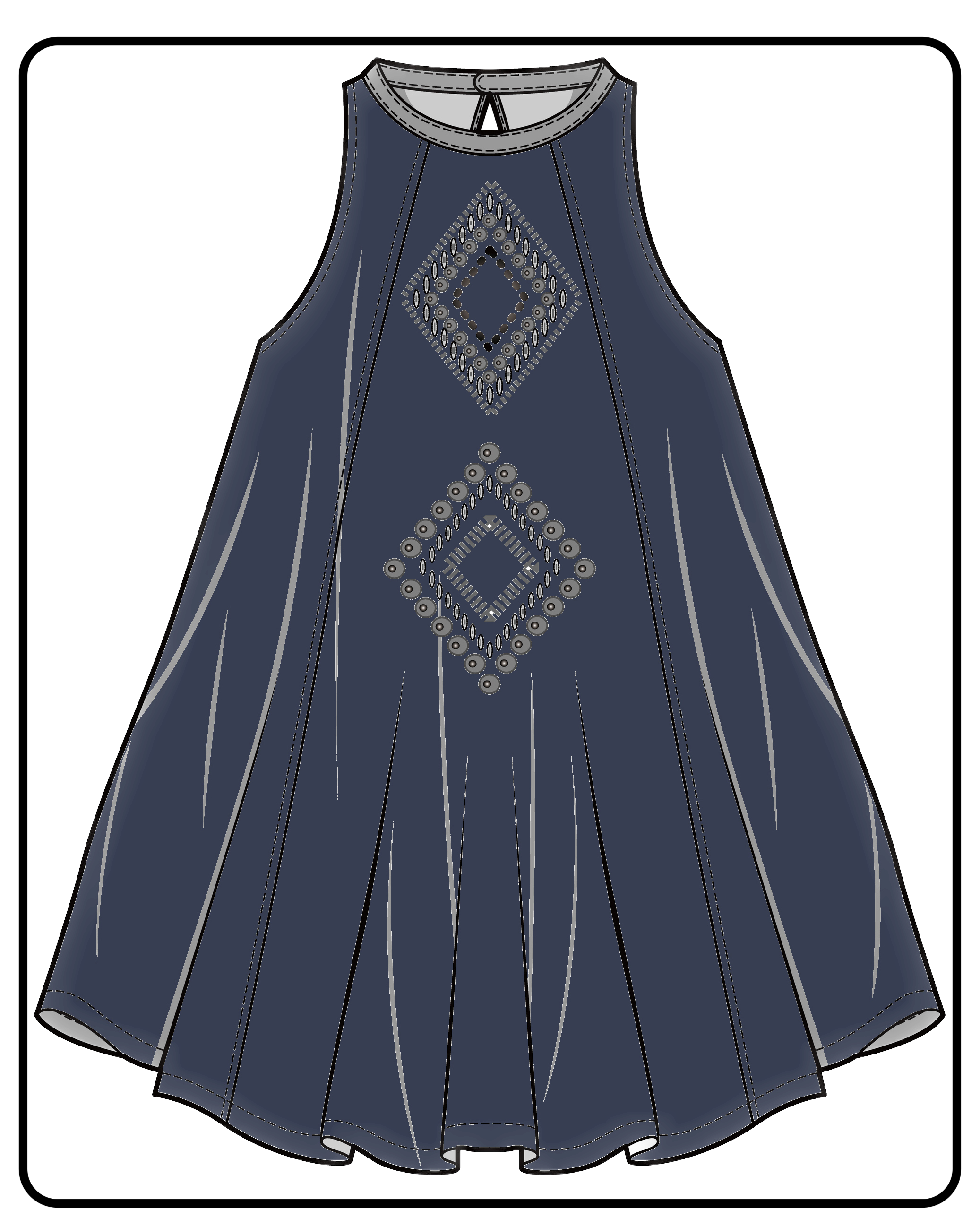
A tent dress is a loose and flowing style of dress that resembles a tent in shape, hence the name. It lacks defined waist shaping or contouring, and is characterized by its voluminous and oversized silhouette, offering a relaxed and comfortable fit. The tent dress is known for its effortless and bohemian aesthetic, often favored for its casual and laid-back appeal.
Wrap Dress
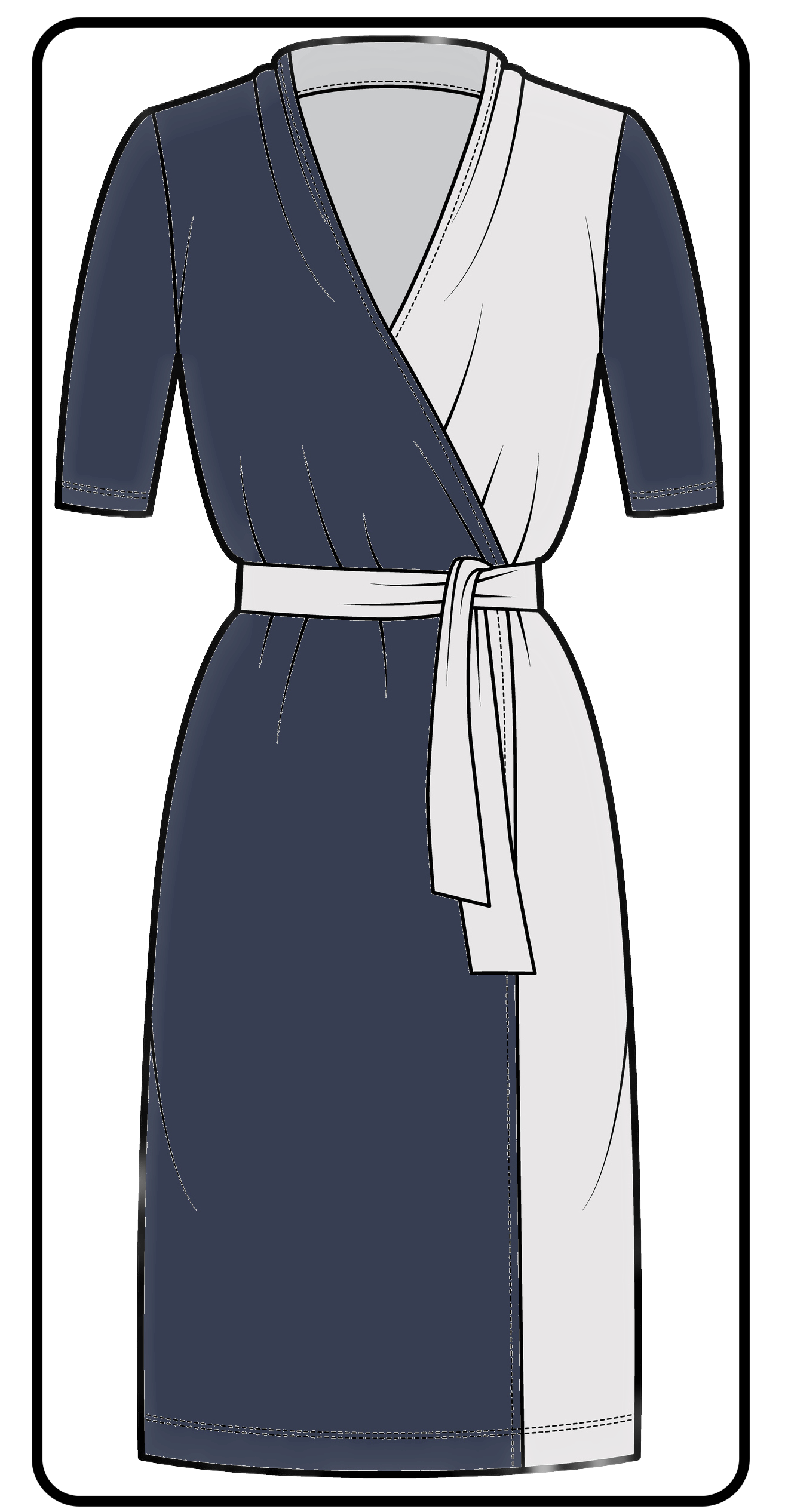
A wrap dress is a flattering and versatile style of dress characterized by its wrap-around design, which creates a V-shaped neckline and a cinched waist. This iconic dress style was popularized by designer Diane von Furstenberg in the 1970s and has since become a fashion staple due to its timeless appeal and ability to flatter various body shapes.